Hello peeps ! Welcome to my Gluten free delicious blog: host of delicious Gluten Free cakes made from home

Friday, 11 November 2011

Sorry - a diet change won’t cure autism

London - Autism is a disease that affects children, their parents, their siblings and almost everyone they come into contact with. And it is not hard to understand why.
Often, a contented, smiley baby will have slowly grown into a fractious, withdrawn toddler or young child. While other children start to become independent, the autistic child often won’t speak, refusing to engage or even make eye contact - lost in their own world, staring, rocking, not walking without tiptoeing.
They are prone to tantrums, screaming fits and violent outbursts at the slightest change to daily routine, and often suffer from distressing bowel habits.
Once a child is diagnosed - in itself, a difficult and often drawn-out process involving a host of referrals to psychiatrists and other specialists - families are often left to their own devices. They will have been told: there is no cure, and no treatment.
That is not to say there aren’t practitioners who say they can treat, and even reverse, autism. And so, given the almost complete lack of hope offered by hospital consultants, devastated parents begin a treadmill of trying different therapies - often called interventions - they hope may help.
As a GP, and a parent, I understand how finding some glimmer of improvement can become all-consuming. Thankfully, in Britain at least, we seem to have moved on from the hope of a cure, accepting that those with autistic spectrum disorders may not be like the rest of us, but maybe a different version of normal.
However, one intervention that seems to have taken root is the gluten-free, casein-free diet (GF-CF). Gluten is in wheat and therefore is found in bread, pasta, pizza and biscuits. It is also in barley and rye and there is a similar compound in oats. Casein is a cow’s milk protein and is found in all dairy products, and a range of processed foods.
For more than 20 years there have been theories about the negative effects of gluten and casein on the brain and behaviour. It has been postulated that in autism and other mental-health problems, these compounds are not broken down properly in the gut and go on to alter behaviour, communication and brain function.
It is also suggested that some autistic children may have sensitivities to gluten and casein and are not digesting these foods properly: this would not only worsen their autistic features, but also cause bowel problems. From a scientific point of view, this has never been proved. The authors of the most recent study on the subject concluded they could not recommend exclusion diets as treatment.
But three-quarters of parents with autistic children have tried a complementary or alternative therapy including restrictive diets: the main reason cited for this is that they feel there are fewer risks than with prescribed medications. However, the GF-CF diet is not a no-harm intervention.
The diet is very restrictive, which is hard in children with behavioural problems, where food and meal times may be a challenge. Restricting the diet of an already fussy eater can lead to dietary deficiencies.
The GF-CF diet can have significant physical health consequences. The lack of gluten and casein can lead to a deficit of calories, fibre, calcium and protein, affecting growth and bone density.
It is also a very costly diet as gluten and dairy-free alternatives are expensive. Despite these problems and the evidence against it, some of my patients find positive changes in behaviour and improvements in communication.
This seems to contradict the evidence, but it doesn’t. Dr Richard Mills, of Research Autism, says: “Symptoms of autism vary widely and change - sometimes seeming worse, sometimes better - within individuals. This means the true effects of such diets are difficult to quantify.”
Indeed, parents, trying out a raft of interventions such as the GF-CF diet, may find behaviour improves. But in the longer term, it can often deteriorate again.
Dr Mills says: “It’s worth trying, as long as expectations are realistic.”
For parents looking for advice, be wary of the internet. Avoid anyone who claims to have the cure for autism - no one does.
I wouldn’t recommend the GF-CF diet but I appreciate why parents try it. I would be open to patients trialling, once the risks-versus-benefits have been discussed with a doctor.
But it should not be seen as a lightweight therapy. It is a massive undertaking. - Daily Mail
* Follow Dr Ellie Cannon on www.twitter.com/dr_ellie

Saturday, 5 November 2011

Ask the expert: Gluten-free tax deduction?

My son was recently diagnosed with Celiac disease. He's allergic to gluten. Gluten-free foods are so expensive! I've heard I can claim the cost of his food on my taxes because it's medically necessary. Is that true?
Yes. But the deduction is less helpful than you think. Find out if you have access to an employee benefit called a medical flexible spending account. It can save you money by letting you buy your son's medically required food with pretax dollars.
Regarding your question, if you itemize deductions, the extra cost of gluten-free food is a medical deduction. If a loaf of bread containing gluten costs $2.89, for example, and gluten-free bread costs $6, the extra $3.11 is deductible. And if you must travel to a special store to buy gluten-free food, the cost of transportation to and from the store is deductible. But you can only take medical deductions to the extent that your total unreimbursed expenses exceed 7.5 percent of your income. If you earned $75,000 annually, for example, you could only deduct medical expenses in excess of $5,625.
A flexible spending account is a better deal. You tell your employer how much of each paycheck you want to set aside for uninsured medical expenses. These contributions reduce your taxable income; they aren't subject to federal, state or payroll taxes. As you incur uninsured medical expenses, you submit the receipts to your employer or insurance company, and you're reimbursed from your account. If you're in the 25-percent federal tax bracket, your total federal tax saving is about $33 for each $100 in expenses. But don't contribute more to the account than your anticipated expenses; by law you forfeit any money you don't spend in the calendar year.
The bottom line
Unreimbursed medical expenses are tax deductible only if they exceed 7.5 percent of your income

Tuesday, 1 November 2011

Gluten-containing cosmetics could explain puzzling cases of GI symptoms and rashes in consumers with celiac disease or gluten sensitivity. Yet information about this important ingredient is mostly unrevealed.

“The use of some cosmetics, including products used on the lips and face, can result in unexpected exposure to gluten,” explain George Washington University gastroenterologists Marie L Borum, MD and Pia Prakash, MD.

As they reported Nov 31 at the annual scientific meeting of the American College of Gastroenterology,(1) their interest in the subject began with one of Dr. Borum’s patients, a 28-year-old woman who experienced exacerbation of her celiac symptoms, including gastrointestinal complications and a recurring skin rash, after using a body lotion advertised as “natural.” 

“It was difficult to determine whether gluten was contained in the product she was using,” says Dr. Prakash. “But once she stopped using the body lotion her symptoms resolved.”

The lack of readily available information about cosmetic ingredients that Dr. Borum experienced first-hand with her patient prompted the researchers to expand their research.

They first identified the top cosmetic companies in the United States and visited the official website for each company as part of a search for “gluten” and “gluten free” - to identify products specifically manufactured without gluten.

Only 2 of the top 10 cosmetic companies in the United States offered any detailed ingredient information, and no mention was made of gluten sources, according to the study.

Next, Drs. Borum and Prakash researched the ingredients for individual cosmetic products using an independent website. The independent website offered lists of ingredients for products marketed by 5 of the top 10 companies - but again no mentions of gluten sources were identified.

Overall, ingredient information was unavailable for 4 of the top 10 companies - and none of the large companies specifically offered gluten-free cosmetic options, according to the study findings.

““This study revealed that information about the ingredients, including the potential gluten content, in cosmetics is not readily available,” Dr. Prakash concludes.

While smaller companies may specifically advertise gluten-free alternatives, she says, “top-selling manufacturers should indicate whether their products can be safely used by individuals with gluten sensitivity.”

About Celiac Disease

Affecting as many as 2-3 million people in the United States and 20 million worldwide, celiac disease is an autoimmune digestive disease that damages the villi of the small intestine and interferes with absorption of nutrients from food. Approximately 1 out of every 100 people may have celiac disease - though only 1 out of 10 people with celiac disease may be actually diagnosed and are aware that they have this disease.

Women are diagnosed with celiac disease two to three times more often than men and current research indicates that 60% to 70% of those diagnosed with celiac disease are women, according to the National Foundation for Celiac Awareness.

The only treatment option for those with celiac disease is gluten avoidance. Patients who do not adhere to the gluten-free diet usually continue to suffer from symptoms such as abdominal pain, bloating, gas and diarrhea.

In addition, these patients are at higher risk for developing complications of celiac disease such as cancer of the small bowel and esophagus, and narrowing in the bowel due to inflammation.
__

When treats can be tricky, thats is also the reason why I chose to do these Gluten Free fairy cakes for these children who are Gluten sufferer!

hough he's only 7, Shane Keller knows more about the human body than most adults learn in a lifetime. One thing he knows is that he can't attack a bag of Halloween candy face-first.
"I'm the same as you," said the San Ramon second-grader, who has Type 1 diabetes. "I just can't eat the same as you."
Years ago, his condition might have made Halloween scarier than a masked guy running around with a chain saw. Now the annual sugarfest serves as an illustration of how doctors, parents and even children have learned to manage the disease.
"The technology of diabetes management has changed dramatically the past 10 years," said Kathy Solis, a registered dietitian from the Center for Diabetes Services at the California Pacific Medical Center in San Francisco. "One major stride is when the child is able to make small and simple decisions for himself."
Shane, who was diagnosed with Type 1 diabetes when he was 10 months old, also has celiac disease, a digestive disorder which makes him intolerant of gluten. Neither condition, however, will stop him from trick-or-treating. He will be accompanied by his mother, Keri, as well as "the kit" -- a container that holds glucose tablets, syringes, apple juice, insulin, snacks and an automatic one-dose injector called a glucagon, which contains a substance that lowers his blood-sugar level if needed.
"I just have to watch out for candy," said Shane, who takes at least four shots of insulin a day,
plus at least 10 finger pricks to test his blood sugar."If my mom doesn't know how many carbs are in the candy, she asks the people to get the box to see.
It's an increasingly familiar scenario. Shane is one of 215,000 Americans younger than 20 living with Type 1 diabetes. A 2009 study published in The Lancet, a British medical journal, predicted that the number of children younger than 5 diagnosed with Type 1 -- which usually occurs in people younger than 20 -- could double by 2020. Unlike Type 2 diabetes, Type 1 is not lifestyle-related, and researchers aren't sure what's behind the increase.
For thousands of parents and their children, living with diabetes means having to tiptoe through holidays and events that involve sweets -- mindful of the acute health risks, yet not wanting to ruin a holiday that many hold dear. The caveat, of course, is there's little margin for error.
"His life is so established," Keri Keller said of her son. "He always asks before he eats something. He trick or treats like any kid. But we check his insulin level before he goes out and we say, 'OK, you can have six pieces of candy.' He knows the rules and that a big bag of M&Ms don't count as one piece of candy."
Things are trickier for kids with food allergies, however. One peanut can send a child to the emergency room, so it's imperative that parents such as Noriko Swanson pay attention to what's in the candy.
Swanson owns LiveFreeFoods.com, an online store that specializes in food for families affected by food allergies and diabetes. The Walnut Creek resident was inspired to start the business by her 4-year-old daughter, Willa, who has life-threatening allergies to dairy, gluten, eggs, sesame and most nuts.
"I like to focus on what I want Halloween to mean for my family -- dressing up and having fun," she said. "It's inevitable that candy will be part of that fun, but I try to not let that be the focus. There are so many ways to take part in Halloween that don't involve sweets."
Swanson's children inevitably encounter candy on Halloween, so they know which kinds they need to steer clear of. She suggests homemade treats at parties, where ingredients can be controlled by parents and children can help in the kitchen. She suggests making gluten-free cake or putting dried fruit in a bowl of gluten-free pretzels, for example.
As for trick-or-treating, the Swansons have a system in place. After sorting what can and cannot be eaten safely, the kids get to trade their candy for other prizes or safe treats picked out ahead of time.
"At home, I only pass out candy that's safe for our household as well," she said. "This is both a way of supporting our daughter and ensuring she feels safe."
Different parents tackle the holiday in different ways. Scott Corey, of American Canyon, whose 12-year-old daughter, Shelby, is diabetic, said his family doesn't make a big deal out of Halloween, as the kids prefer not to.
"Halloween is just like any other day when it comes to the candy," he said. "We count the carbohydrates and give her the right amount of insulin to cover it. We do watch her blood sugars more closely because it's really easy to spike them to potentially dangerous levels if we don't track things correctly. Unfortunately, Shelby and I -- the two Type 1 diabetics in the family -- have the biggest sweet tooths. Go figure."
Mike Muller, of Concord, said his 9-year-old diabetic daughter gets involved with costumes and going out, but then the candy comes home and goes through the parental filter.
"Her nondiabetic brother is subject to the same screening and doesn't feel left out," he said. The parents screen the candy for safety and put the highest-quality treats into one pile, he said. The subpar pile gets bagged and traded in at the orthodontist for cool stuff. The good treats get rationed out for a few days until the Halloween hype has faded.
Children with dietary restrictions have annual Halloween traditions, just like other kids. Keri Keller said her son doesn't see it differently than his friends do. Except, of course, that none of his friends have as much experience reading food labels.
"You're supposed to treat him like a kid," she said, "not a diabetic."

Wednesday, 19 October 2011

Special Gluten and wheat free Halloween themed fairy cakes

I am creating an event for Halloween ! if you want to please any children , why not offering them a special personalized Halloween box with 4 different patterned GF fairy cakes . The whole box cost £6.00 with delivery . Please place the order by the 28th of October at christelle@glutenfreedelices.co.uk
I only supply London right now  , hopefully next year I will be national at least !

Tuesday, 18 October 2011

5 favourite gluten-free grains

There was a time in my life when eating gluten-free was mandatory to ensure the safety of my wife. Celiac Disease and gluten sensitivity affects more people today in North America than ever before. There are several theories about why this may be happening, but I will save that subject for another day. I believe that the hybridization of wheat over the last 70 years has resulted in a grain with higher levels gluten (some have suggested that wheat today has 50 times more gluten than it did 100 years ago). Gluten is a very sticky protein and is difficult for anyone to digest properly, whether you have Celiac Disease or not. So I personally try to limit my wheat intake even though I don’t have a gluten sensitivity.
There are many excellent alternatives to wheat and I want to share my 5 favourite gluten-free grains.

5) Amaranth

Don’t let this small grain fool you. It may be small, but it’s powerful. My favorite use of amaranth is to pop it like popcorn for a deliciously nutty-flavoured snack. Since it’s full of minerals, vitamins and amino acids, health experts have indicated that amaranth may help reduce cholesterol, lower blood pressure, improve immune system function and even prevent the premature greying of hair.

4) Millet

This is a fantastic grain which has a consistency that will vary with the preparation method. It can be boiled and mashed like potatoes, or fluffed like rice. Not only does millet contain 18 different amino acids, but it also holds a significant amount of vitamins and minerals, such as magnesium, phosphorus and manganese. It has been suggested to have cardiovascular and heart protection properties, gallstone prevention traits, and offers a reduction in risk of childhood asthma.

3) Black Rice

This rice is considered to be the new kid on the block. In recent years, it has been haled as a superfood by many due to it’s high nutrient values. Black rice is loaded with amino acids, fiber, vitamins and minerals. Claims have been made that black rice may help reduce blood pressure, alleviate arthritic symptoms and lower your risk of cancer, diabetes and Alzheimer’s Disease.

2) Buckwheat

No, not the Little Rascal pictured above. Containing over 11 amino acids in substantial amounts, as well as vitamins, minerals and even trace amounts of essential fatty acids make buckwheat a gluten-free superstar. Helping to control blood sugar and lower the risk of diabetes are just a couple benefits of buckwheat. This grain (although technically not a grain) is easy to prepare and very versatile. My favourite buckwheat dish right now is a fresh tabouli salad.

1) Quinoa

My favorite grain for the last several years has been quinoa. It comes in a range of colours, including red white and black. Red is my preferred variety. This is one of the easiest grains to prepare and one of the most nutrient-dense. Quinoa has a plethora of nutritious features, such as fiber, vitamins and minerals. It could even be considered a complete protein since it contains all essential amino acids. There have been many suggested health benefits, including migraine relief, cancer risk reduction and cardiovascular protection/prevention. If you haven’t tried quinoa yet, now is a great time to start!
It’s easy to see from the information above that limiting my gluten consumption is not the only reason I choose to eat these grains. Whether you have Celiac disease, a gluten sensitivity, or you’re just trying to give your health a boost, switching over to any of these grains from regular wheat or white rice could help immensely. As with all grains, the least refined the better.

Sunday, 16 October 2011

top clever !QR code cookies create unique personalized messages German company Qkies combines QR codes and cookie mix to create edible personalized messages.

alttext
We’ve seen QR codes put to various uses over recent months, from helping conferences run more efficiently to linking t-shirts labels to MP3 files. Now German company Qkies have given the QR code the edible treatment, combining them with cookie mix to create munch-able personalized messages.
Qkies — a cooperative project of Juchem Gruppe, a German food trade company, and DFKI, the German Research Center for Artificial Intelligence — can be used as a playful alternative for a variety of things, from party invitations to business cards. Qkie cookie mix is available online at EUR 6.90 per box, and will make 20 Qkies. Consumers make and bake the cookies before decorating them with the enclosed QR codes, printed on edible paper. The recipient of the cookies scans the QR code with their phone to be directed to either a video on YouTube, a photo on Flickr or a personalized web page containing a specific message, as dictated by the sender.
We’ve seen QR codes used to contain practical, musical and now personalized messages. Under what guise will we next see this multi-functional code?
Website: www.qkies.de


Friday, 7 October 2011

serious stuffs!!!experienced by Mark !

a person's diet which may cause severe depression and lead to thoughts of suicide. I experienced this myself (worsening depression, a feeling of hopelessness and thoughts of suicide) until I adopted a 100% gluten free diet almost 2 years ago. The difference has been nothing short of remarkable. Aside from the chronic depression, anxiety, nervousness, mood swings, intense anger (for no reason) and irritability I always felt, many other health problems that I had no idea were connected to gluten intolerance also cleared up for me such as insomnia, acid reflux, chronic fatigue, "brain fog", dry skin, bloating, allergies etc. I used to feel like I was 42 going on 80, and like I had one foot in the grave. I felt awful all of the time no matter what I did. I am happy to tell you that today those problems are a distant memory, I am completely prescription medicine free and even allergy pill free. This may not be the answer for everyone, but going gluten free has changed my life for the better. My wife and family cannot believe the difference in me today. I feel healthier now than I have felt in the last 10 years. Adopt a GF lifestyle for 3 weeks to see if this helps you. After 3 weeks, I started to experience profound improvements in my mental and physical health. Watch out for hidden gluten in many of the foods you consume daily.

Gluten-Free Glamour: The Next Generation of Makeup

At a nail salon in Palm Desert, CA, recently, I struck up a conversation with an elegant woman sitting adjacent. She was in her sixties and, within a few minutes, had steered the conversation to the subject of her celiac disease, the genetic disorder that affects at least 1 in 133 Americans. Finding quality makeup was an issue she told me. When I shared that my makeup company lists its gluten-free products on our website she beamed with delight. In beauty nowadays it's often what's excised from a product that really matters to consumers. At Hourglass, we're always looking to remove hazardous chemicals, including parabens, phthalates and sulfates, from as many of our products as possible. Gluten is also on our hit list.
Wheat extracts regularly occur in lipstick, foundation and mascara to condition the skin or help bind a product. But with increasing numbers of people discovering they are gluten intolerant, it makes sense to source substitutes for wheat, barley and rye extracts. This way we can make our cosmetics palatable for everyone. Now we have a slew of gluten-free options in our line-up, including a primer, a foundation, a bronzer, a mascara and a lip gloss, and are looking to expand their number. In a similar vein, our makeup brushes feature only synthetic Takelon bristles -- ideal for those who suffer from allergies to animal hair.
The prevailing wisdom is that gluten molecules in cosmetics are too large to permeate the skin, yet we unwittingly ingest our makeup, especially eye and lip products--evidence enough for me. According to the Celiac Disease Foundation, a national non-profit group, "Even small amounts of ingested gluten can affect those with celiac disease and cause health problems." If you're gluten intolerant, or have any of the skin problems associated with the condition, it makes sense to go entirely gluten-free. Approach products containing vitamin E with caution, as the vitamin may have been derived from wheat germ oil.
What we put on our skin can impact our health just as much as, if not more than, what we put in our mouths. Gluten-free beauty is still a burgeoning field, and one I imagine we will be seeing more of. You're more likely to find g-free products at eco-conscious retailers or specialty websites. But beauty aficionadas might be pleased to learn that brands including Hourglass, Lavanila and hair line Alterna have gluten-free offerings at Sephora. And that they no longer need to compromise on top-notch beauty products.

Thursday, 6 October 2011

For those who understand French ! interviewed by Loic from French valley on my Gluten Free Delices brand!

Elle était au dernier Apéro Entrepreneurs: Christelle de Gluten Free Delices

Lors de l’Apéro Entrepreneurs de Septembre, on a eu l’opportunité de rencontrer et d’échanger avec Christelle Coulin, créatrice de Gluten Free Delices

Quelques mots pour te présenter (parcours professionnel, arrivée sur Londres)

Je vis à Londres depuis 11 ans maintenant, Je viens de Cannes dans le sud de la France. Comme beaucoup de Français, j’avais initialement prévue de rester 1 an mais j’ai tellement aimée les opportunités apportées par cette ville que j’ai décidée d’y rester.

J’ai commencée par travailler pour le service clientèle d’Eurostar, à l’époque basé dans la station de Waterloo et maintenant relocalisé dans la gare de St Pancras. Apres un an de service pour cette compagnie, j’ai fait la demande pour passer à mi-temps, pour me consacrer à des études d’architecture d’intérieur. J’ai acquis le diplôme après 3 ans. Mais à l’époque déjà, cette belle réussite ne me suffisait toujours pas, je voulais déjà créer ma propre société.


Depuis quand travailles-tu sur Gluten Free Delices. Pourquoi ce projet ?

Il y a un peu plus de 2 ans, je voulais me lancer dans la création d’une crêperie sur Londres,  j’étais même partie sur la Bretagne pour faire une formation. J’avais étudié le marché et calculé le coût de lancement d’une entreprise sur Londres, mais aussi pour la location d’un local. Je suis descendue dans la rue et j’ai commencée à interroger des passants dans le quartier choisie pour monter ma crêperie. J’ai distribuée des formulaires avec un ami à moi et avons récoltés plus de 200 réponses. Au cours du dépouillement je me suis rendue compte qu’un large nombre de gens avaient répondus qu’ils aimaient les crêpes mais qu’ils ne pouvaient pas en manger parce qu’ils étaient allergiques au gluten !

Inconsciente de ce problème, je me suis mise à faire d’avantage de recherches sur le domaine du gluten, les symptômes amenés par cette protéine que l’on trouve dans le blé, les dangers que sa consommation engendrait si les gens intolérants en mangeaient constamment.

J’ai aussi comparé les produits présents sur le marché à cette époque et me suis rendue compte que des améliorations pouvaient être apportées à ce marché, peu appétissant, automatiquement relié à une condition médicale, pauvre en variété et goût, triste à voir à cause de son emballage. Je me suis dit que les gens allergiques ou intolérants au gluten avaient autant le droit d’apprécier de bons gâteaux sans gluten que ceux fait à base de blé.

Quelle est la clientèle que tu cibles ?

Initialement je pensais concentrer mon activité pour les gens essentiellement allergiques ou intolérants au gluten.

Cependant avec la popularité de mes produits, mon entreprise se voient se développer vers des gens qui  sont juste friands de produits frais, fait de façon artisanal et sans additifs. Il existe de nos jours, de plus en plus de personnes qui pour des raisons diététiques, souhaitent seulement se concentrer sur un régime sans farine.

Cette façon de développer ma clientèle me convient pour le moment car de ne me concentrer que sur une population exclusivement « celiac » (ndlr : personne intolérante ou allergique au gluten) me coûterait trop cher en test laboratoire. Pour le moment, je garantie à mes clients que toutes mes créations sont à base de produits sans gluten, cependant je ne peux pas garantir qu’il n y ait eu aucune contamination croisée chez mon fournisseur de matières premières.

Est-il couteux d’acheter des produits gluten free?

Gluten Free Delices est une compagnie qui est spécialisée dans la confection de gâteaux sans blé ni avoine, et fais de façon artisanale, sans additives, ni  conservateurs. Je crée des gâteaux délicieux uniquement fait à base des produits de haute qualité.

Mes gâteaux sont crées et cuits en petits lots, et fais à base de fruits frais quand ceux-ci sont disponibles, avec des Å“ufs fermiers et du chocolat luxurieux noir sans gluten. Très soigneusement confectionnés, consciente d’un éventuel contact avec de la farine ou de l’avoine provenant de n’importe quels autres aliments, Je respecte les règles d’hygiène et de loi de la contamination croisée.

Je remplace la farine avec des farines de substituts comme celle sans gluten, sarrasin, de riz, semoule de mais, de la farine d’amandes pilées, et l’utilisation de noix. Ces farines, substituées à la farine traditionnelle sont onéreux. Donc je suis aussi obligée de répercuter cet effet sur certains des prix appliqués. Un prix qui est aussi justifié par rapport à la façon et le temps passés à faire mes cakes.

Qu’est-ce qui fait l’originalité des services que tu proposes?

Je voulais mettre sur le marché un nouveau type de produits sans gluten. Consciente de ce qui existait déjà, je voulais apporter un air de nouveauté, un aspect plus contemporain à la gamme déjà proposée. Je voulais aussi faire comprendre aux gens que ces gâteaux n’ont pas un goût différent des gâteaux traditionnels et que, selon s’ils sont ou pas intolérants au gluten, il était dans leur intérêt de manger des produits sans gluten. Habituellement, les gens sont un peu retissant à essayer des aliments sans gluten, car ils associent ces produits à une condition médicale. Ils ne prennent pas en considération les avantages que les aliments sans gluten peuvent leur apporter, même quand ils ne souffrent pas des maux associés au blé et la farine.

Du point de vue marketing, Gluten Free Delices a aussi contracté Laurent Compagnon (http://stageandportrait.com/Home.html), un très talentueux photographe professionnel français, pour prendre des photos de nos produits, qui sont maintenant affichés sur Facebook et sur mon site web Gluten Free delices. On tenait à utiliser les services d’un photographe professionnel pour prendre des photos de nos gâteaux. Laurent, est très consciencieux dans son travail, très professionnel, et il sait exactement comment traduire la beauté et les différentes saveurs de nos gâteaux à travers son travail. Les photographies prises peuvent  amener la curiosité auprès des gens qui ne les ont jamais goûtés.

Nous portons aussi beaucoup d’attention à l’image du produit par rapport à l’emballage proposé, nous le voulons visuellement plaisant et 100% recyclable aussi, ce  qui est une des éthiques les plus importantes de ma société.


Comment communiques-tu sur ton projet?

Je conseillerais à n’importe quelles personnes qui souhaitent monter son entreprise d’avoir son site internet et aussi d’utiliser les sites sociaux comme Facebook, Twitter et LinkedIn. C’est ce que j’ai fais en attendant que mon site soit prêt. C’était une façon pour moi de tester mon marché et de préparer mes clients potentiels à ce qu’ils trouveraient à travers mon site.

Il y a 5 mois de ca j’ai crée une page d’entreprise sur Facebook, et cela m’a permis de réunir un groupe qui aime mes produits, les ayant goutés ou pas, basé sur le concept de l’entreprise seulement. J’ai déjà près de 450 personnes qui y ont adhérés.

J’ai aussi découvert les Apéros Entrepreneurs, crée par Loïc Dumas. Des entrepreneurs Français se réunissent dans un bar, afin de faire du Networking, entre eux dans une ambiance chaleureuse. A certain de ces apéro j’ai eue l’opportunité d’amener quelque uns de mes gâteaux pour les faire connaître à ces entrepreneurs. J’ai obtenus de bons compliments et des retours favorables sur leurs saveurs.

Enfin, depuis le 28 mai, j’ai un stand sur le marché artisanal de Kingston. C’est un événement qui me permet d’amener une reconnaissance de mes produits dans un endroit bien défini de Londres.

Quelles sont tes ambitions et stratégies à moyen terme ? Et long terme si tu y as déjà réfléchi

Ma compagnie est toujours relativement récente et on travaillent toujours beaucoup sur la reconnaissance de mes produits et marque. Jusqu’à maintenant, mon modèle économique était basé sur une tendance qu’on appelle ici “try advertising.” Les rencontres Apéro Entrepreneurs sont un exemple parfait pour mettre cette tendance en pratique: Elle se caractérise généralement par un rassemblement où les gens échangent idées, inspirations, et où je peux faire gouter mes cakes. Comme tout nouveau produit introduit sur le marché, il est bon de faire goûter avant même d’espérer les vendre.

C’est seulement depuis le mois de Septembre et encore plus en allant vers la fin de l’année que j’espère une meilleure reconnaissance de ma marque. J’espère que par ce biais que plus de ventes en découleront.

Dans un futur proche, j’espère être en mesure de recruter et aussi de développer d’avantage mes produits pour les gens qui souffrent de la maladie de cÅ“liaque. La technologie des tests contre le gluten continue à se développer et les récents progrès signifie que les tests sont de plus en plus sensibles. J’aurai besoin de suivre la méthode d’analyse recommandée, approuvé par le Comité du Codex sur les méthodes d’analyse et d’échantillonnage (CCMAS). Cela signifie qu’à un moment donné, je vais avoir à produire à une plus grande échelle et à déménager dans une cuisine industrielle. Je voudrais que l’entreprise soit florissante en Angleterre, mais aussi dans certains autres pays Européens. J’aimerais donc que la marque Gluten Free Délices soit  reconnue internationalement.

Qui sait? … Je voudrais continuer à être heureuse à développer tous types de gâteaux sans gluten, afin de rendre les gens allergiques ou pas au gluten, satisfait de ce qu’ils mangent.

Quelles difficultés as-tu rencontrées pour t installer ?

Je dirais que ca dépend de l’individu. Personnellement, n’ayant jamais eue à monter de société, j’ai eue à gérer tout les différents aspects qu’une création d’entreprise peut couvrir comme la législation, la fiscalité, le marketing,  la protection du logo, les assurances, etc. J’ai trouvé que tout ce qui était lié à la comptabilité d’entreprise serait juste impossible pour moi à gérer, donc j’ai fait appel à un comptable.

Ensuite de monter une entreprise seule demande beaucoup de motivation, de courage et de bon vouloir! Heureusement que j’ai eue le soutien de beaucoup de mes amis qui m’ont poussés à continuer à monter le projet.

Et pour finir tes conseils pour les entrepreneurs français en GB

Je conseillerais aux entrepreneurs Français voulant s’installer en Angleterre de ne pas hésiter car c’est un pays qui apporte l’aide, la flexibilité et l’enthousiasme nécessaire pour nos produits que la France n’apporterait pas.

Elle croit en nos capacités et embrasse nos originalités et notre culture. J’ai moi même fait appel à des mentors appartenant à Business Link. C’est aussi un site bien utile si tout comme moi vous n’avez aucune notion pour monter une entreprise.

Il est aussi important de se faire le plus de connexion possible à travers des événements networking. Ils sont très courant à Londres.

Conseilles-tu les Apéros Entrepreneurs, des idées pour améliorer le concept ?

Oui sans aucun doute, l’Apéro Entrepreneurs de Loïc est constitué de gens simples qui cherchent à développer des idées, des concepts, le tout dans une ambiance très chaleureuse.

Je me suis fait beaucoup d’amis à travers ces rencontres, et aussi récoltée de précieuses inspirations qui m’ont aidées dans ma propre entreprise. Ca ma aussi amenée beaucoup plus de confiance à parler à des inconnus.

Je ne vois pas trop d’amélioration à amener, mais dans mon domaine, je dois dire que ce serait bien d’avoir plus de possibilités de faire déguster de nouveaux produits, de ce fait, partager et faire goûter les nouvelles créations sans pour autant faire de l’ombre au restaurateur qui accepte d’accueillir l’événement. La plupart du temps, le choix du lieu ne me permet pas de faire cela à cause de la compétition que je crée.

Cependant,  le concept de l’apéro m’aide d’autres façons, à travers les conseils pratiques de Loïc et des participants mais aussi les opportunités marketing que ces rencontres crées: comme le prochain article à paraitre dans Ici Londres et publié sur Frog Valley ! Donc un grand Merci pour tout ca !!

Des choses à ajouter

Venez me rencontrer chaque dernier samedi du mois sur le marché de Kingston ! Venez visiter la page Facebook de “Gluten Free Delices” et enfin le site Gluten Free Delices si vous êtes curieux et en quête de gâteaux délicieux !!

Whaou ! cool !In the UK, pop-up cinema runs on pedal power

Magnificent Revolution’s Cycle-in Cinema is a new effort to screen movies across the UK using just the power generated by bicycle-pedaling viewers.

alttextNo-end in sight to the recent run of pop-up cinema innovations! Hard on the heels of our coverage of the smartphone-powered YouTube Theater in the US and the Films on Fridges project in the UK comes word of Magnificent Revolution’s Cycle-in Cinema — an effort to screen movies across the UK using just the power generated by bicycle-pedaling viewers.
Similar in many ways to the dance-powered nightclub we featured several years back, Magnificent Revolution’s Cycle-in Cinema taps the kinetic energy of its participants to power the entertainment. Viewers can simply ride to a screening on their favorite cycle, hook it into the on-site generator and start pedaling. While the resulting energy powers the performance, the movie’s soundtrack is broadcast using a wireless transmitter that can be heard by audience members via mobile phone or FM radio. Events are free, with a suggested donation of GBP 5; a variety of drinks and locally sourced snacks are typically for sale.
London-based Magnificent Revolution also offers 100W bicycle generators and other equipment and workshops to help make a variety of similar pedal-powered projects possible. Meanwhile, it’s planning a series of Cycle-in Cinema events in the UK throughout 2011 and 2012. One to get involved in — or emulate in your neck of the eco-minded woods?
Website: www.magnificentrevolution.org/hire/magnificent-cycling-cinema/cycle-in-cinema/
Contact: www.magnificentrevolution.org/contact/

Friday, 16 September 2011

Leatherhead to study £132M food intolerance market


0
Sha

Research starts this month on how food manufacturers can exploit opportunities in the allergies, intolerances and the ‘suitable for’ food market, which is predicted to grow to £132M within four years.

Leatherhead Food Research (LFR), will focus on identifying consumption patterns, perceptions and motivations for consuming ‘suitable for’ products. Results will be published in December.
“Demand for food and drink production suitable for consumption by people with specific allergies and intolerances is reportedly on the rise,” said LFR.
“While only a small proportion of the population has a clinically diagnosed allergy to food… a great deal more believe they suffer from an intolerance to certain foods.
Designer disorders
“Moreover, it is believed that there is a growing body of consumers with ‘designer disorders’ – the reasons for consuming dairy-, gluten-, wheat- free product are often linked to other psychological motivations such as weight loss,” it added.
The researchers plan to survey consumers and conduct in-depth interviews with industry leaders in order to: “Identify and evaluate the potential market opportunities for ‘suitable for’ products”.
The research will reveal how much priority manufacturers give to the sector and the level of investment committed to it.
It will also study what rate of growth and return manufacturers expect from the sector plus how competitive they consider it to be, LFR added.
Industry participants could include two questions of their own in the survey, which will be reported back in a separate confidential report. The questions will examine perceptions, attitudes and motivations for consuming ‘suitable for’ foods as well as perceptions of allergen labelling. It will also look at consumption patterns and opportunities for increasing them, said LFR.
The research will be co-funded by a group of food and drink companies and will cover the UK, France, Germany, Italy, Spain and the United States. 3,000 consumers – 500 from each country ­– plus up to 20 major manufacturers, retailers and food service companies will be surveyed.
Need or fad?
The report will also look at the level of understanding manufacturers have regarding labelling legislation and whether demand for ‘suitable for’ products is being driven “by a real need or a fad”, said LFR.
LFR defined the ‘suitable for’ market as products that are: suitable for diabetics, gluten free, reduced or free from allergens and low or free from lactose.
The market for food intolerance products reached £115.8M last year, up 7% from 2009, according to data from research group Euromonitor International.
Gluten free accounted for most of this – accounting for 67% of volume and 71% of value last year.
The food intolerance market is expected to reach a retail value of £132.4M by 2015, compared with £73M retail value in 2005, said Euromonitor.

Banish the Bloat!!!!!!!!

As someone who has spent their entire adult life working in the field of food intolerances and allergies, even I was amazed by the recent case of Kerri Dowdswell, the poor lady who endures incredible stomach bloating after eating.
The pictures of her looking like she was about to give birth are truly startling and her condition has left doctors baffled.
The science of food intolerances is well established, but there is so much we still need to learn about how the body reacts to different food types.
The case of Kerri Dowdswell is obviously an extreme example, but millions of people in the UK have food intolerances of one sort or another - the majority of whom are not even aware that they have a problem.
As this is my first blog for the Huffington Post, it is probably worth introducing myself. I set up Genius Foods a few years ago after my son was diagnosed as being gluten-intolerant. After fruitlessly searching the supermarkets for suitable products, I took matters into my own hands and created a gluten-free bread that actually tasted like bread. Several other food companies are now trying to follow our lead. I am also a qualified chef and published author.
Anyone who is fortunate enough to be able to eat what they want has little idea what it means to be intolerant to a certain type of food that we take for granted.
Imagine what it means to not be able to have a sandwich or a beer or a bowl of pasta. The best part of my job is to meet coeliacs (those that suffer from gluten-intolerance) whom are now able to have that sandwich without suffering the painful consequences of eating normal bread.
And I think therein lies the problem.  For too many people, particularly men, seeking help for a suspected food intolerance means admitting that there is something wrong and possibly then having to make tough lifestyle choices.
Food is such a key part of our daily lives, yet we don't stop to think enough about the physical and emotional responses to what we choose to eat.
Women are undoubtedly better than men at listening to their bodies.  But thankfully our macho menfolk now have some role models that are showing them the way. Just in the last few months, tennis stars Andy Murray and Novak Djokovich, the US pro cycle team and Hollywood actor Russell Crowe have all come out and said they were cutting gluten from their diets to improve their fitness. And Lady GaGa's personal trainer said last week that the pop icon has a gluten-free diet.
For Andy Murray it was a case of choosing gluten-free pasta while he was training. He has said he feels fitter, less bloated after large meals and better prepared to take on the world's best at the forthcoming US Open tennis championship. For professional athletes and actors, choosing a gluten-free diet is not a response to a medical problem - but rather a lifestyle choice that helps them achieve their goals.
But so much more needs to be done to raise awareness about food intolerances and the medical profession and consumers have a key role to play.
In Scotland, where I live, doctors on the east of the country have a much better record at diagnosing food intolerances and allergies than their counterparts in Glasgow and the west coast.  In a day and age where pills are dispensed with enthusiasm for nearly every ill, the medical profession could do well to explore potential dietary solutions to a patient's problem, rather than send them running to the pharmacy. 
At the very least, GPs should be better equipped to recognise the symptoms of a food intolerance when presented by a patient.
Coeliac Disease affects at least 1 in every 100 people in the UK, yet less than one in eight sufferers are diagnosed, according to official estimates.
And as consumers, we could do ourselves a huge favour by listening to our bodies.  Too many people still do not make a connection between what they eat and how they are feeling.
My industry, for its part, has a job to make it easier for those with gluten intolerance to live a normal and dare I say it - more palatable - life.

Thursday, 15 September 2011

SavingsAngel.com: 5 tips to cut your grocery bill in half

The easiest way to cut your grocery bill in half is by using manufacturers' coupons combined with the best sales at local West Michigan stores. Normally, this takes a lot of work to create a winning shopping list for your family.
Each week, SavingsAngel.com combines more than 2,000 products on sale at local grocery and drug stores with their enormous database of manufacturer coupons -- which are found in Sunday's Grand Rapids Press and, sometimes, online. This combination results in access to more than 300 products each week for 50 percent off or better.
Did you see the four big coupon inserts in Sunday’s paper? One thing manufacturers know about kids being back in school is that parents start getting back to regular shopping. This means lots of compelling coupon offers to sway those shopping dollars.
In celebration of the wave of new couponers starting this month, I’d like to present my top five tips that will help you cut your grocery bill in half.
Buy only the best deals
The best means 50 percent off or better. Buying only what you need week to week is the most expensive way to shop. Why would you buy full-price products when there are hundreds of others you can get for 50 to 80 percent off? Unless you want to grow all your own food, the best way for the majority of Americans to significantly cut their grocery bills is applying very high value coupons to great local sales. I wish I could tell you there was another way, but nearly every expert I’ve studied on this subject agrees on this point. Coupons are designed to do one thing: Get shoppers to buy their product. If you time the coupon redemption correctly, you’ll get to try all the latest products for pennies on the dollar.
Stock up
Let’s say that you can get Cheerios for $1 a box by applying a high value coupon to a great local sale. Let’s also assume that based on what your family eats, you will need a second box of Cheerios in three weeks. Doesn’t it make sense that you would go ahead and buy the second (or third or fourth) box today when you can get it for 75 percent off? You will save $5 to $9 on Cheerios alone by employing this strategy. This is the same plan we apply to nearly everything you buy on a regular basis and as a result, our total grocery bill drops by 50 to 75 percent.
Not your Mom’s couponing system
Not everyone can clip hundreds of coupons every week. I would guess only a small percentage of shoppers will realistically do this. This is why we use technology like SavingsAngel.com to do the ‘mass clipping’ for us. When a coupon comes out, many shoppers take that coupon out to the store and end up saving a small percentage on a full-price, brand-name product. What they didn’t realize is they should have waited three weeks to redeem the coupon when the product was on sale for half price. How would you keep track of all this without a system in place to do the work for you? It would otherwise be a lot of work. Watch TLC’s reality show "Extreme Couponing" if you don’t believe me. While the Extreme Couponers may save a great deal of money, they can also spend 10 to 20 hours a week to get those results. For those of us with busy lifestyles, let high-tech do the work for you.
Coupons for almost everything
If you aren’t following my advice and you go shopping this week, I want you to hear these words in your head every time you put something in your cart: “There’s probably a coupon for that.” A search on our coupon database revealed there are over 2,900 coupons you could be using right now. It doesn’t matter if you eat organic, gluten-free, vegan or Neanderthal. Manufacturers want you to try their food — and they’re willing you pay you to do so. My advice? Use their money -- not yours.
Don’t put this off
Each week you delay shopping smarter costs you $100.
You can follow my tips, or you can continue to shop the way you have always shopped. The reality is you are paying a luxury tax to not apply your Sunday coupons to the best local sales. It’s a luxury tax that can cost you a hundred dollars a week or more. Personally, I can think of many other things I would rather do with a hundred dollars a week than contribute toward retailer and manufacturer profits. Whether your goals are to get out of debt, save for retirement, give more to the things you really believe in, or have more fun, an extra $300 to $400 a month is a significant amount of money. You can have this simply from investing in a Sunday paper (perhaps a few extra copies to get even more coupons), technology to assist you in saving time and more money, and an extra hour or two a week.

Wednesday, 14 September 2011

Just love that !!! In Munich, laundromat meets gourmet café

If books and coffee can be successfully combined — or books and pizza, for that matter — then why not laundry and coffee? That, indeed, is the premise behind Wash & Coffee, a German enterprise from Henkel and Bosch-Siemens that blends laundromat and café to ease the pain of cleaning clothes.
A cozy lounge atmosphere welcomes visitors to Munich’s Wash & Coffee, where washing machines, dryers and detergents are on hand for self-service use. Professional laundry services are also available — including ironing — as are experts to dispense clothes-care advice. While clothes are getting clean, meanwhile, visitors can enjoy Wash & Coffee’s free wifi and entertainment events, as well as purchase a range of coffees, espresso drinks and snacks, including cakes, soups, bagels and salads. Combination specials, in fact, offer reduced pricing for those who purchase both laundry service and refreshments. The video below explains Wash & Coffee’s premise in more detail:
Wash & Coffee is reportedly on the verge of opening a second location later this week in Amsterdam. An idea ripe for exporting to your area?
Website: www.wash-coffee.com
Contact: info@wash-coffee.com

An apparent allergy to a dog or cat may really stem from other causes, according to one Sprouts employee.

You see the commercials all the time—how a certain over-the-counter or prescription drug will allow you to live allergy-free with cats, dogs, dust, pollen, whatever.
Since I live with two cats, one dog, a ton of dander, dust, animal hair and you name it, I was certain something out there would help my recurring ear infections and sinusitis.
Sure enough, my doctor prescribed everything from three separate antibiotic treatments to steroids, not to mention Singulair, Allergan, Pseudoephedrine, Fluticasone Propionate Nasal Spray and NeilMed Sinus Rinse—many all at the same time.
After six months, my right ear is still plugged, and I've suffered sufficient post nasal drip to sink a frigate.
Desperately seeking a new route, I decided to look into homeopathic remedies. Granted, I'm just at the beginning stages, so I'll have to get back to you with definitive results. But what I learned at a number of health food and nutrition stores made a lot of sense.
Mary McGee, 26, who holds forth in the vitamin department at the new Sprouts on Hawthorne Boulevard, shares my hypersensitivity to cats—at least she did. She also happened to be the most articulate when it came to explaining the genesis of such allergies and ways to address them.
Therein lay the problem. My allergy to cats and dogs may actually have little to do with cats and dogs, she said.
"A lot of times allergies to food [often dairy or gluten] lower the immune system, and you become allergic to pets, dust and other things as a result," McGee said. "If you knock out food, the other stuff goes away."
Although finding the true culprit may involve a food elimination diet for many (including me), McGee, who once suffered swollen eyes, nasal congestion, wheezing and rashes when anywhere near a cat, overcame the problem when she boosted her immune system via supplements, including probiotics and enzymes.
If you suspect an underlying food allergy, she said, the trick is to keep a food diary (where you write down what, when and where you eat), and then start cutting out the food types.
If it's dairy, then cheese and milk products are out; if it's gluten, say goodbye to pasta, bread and cereals for a period of weeks. Eggs, corn, soy, peanuts, food coloring, coffee and chocolate are other common allergens. For some lucky people, the foods can be added back after a period of avoidance, say six to 12 months.
Once the offending food is pinpointed and eliminated, "there should be a big difference in energy," McGee said. Joint pain, headache and fatigue will be gone.
Transferred from the Irvine Sprouts to the Redondo Beach branch when the store opened in May, McGee undergoes regular training by nutritionists and various supplement companies that offer seminars, she said. But her knowledge is clearly underscored by personal trial and error.
As she is six months pregnant with her first baby, she stays rigorously aware of what supplements she consumes: a prenatal multivitamin, Omega fish oil, B-complex and 5,000 units of D3. "Few people get enough D3," she said, a benefit of sunshine that stimulates the immune system and bone health. "It takes 12 hours for the D3 to penetrate the skin after being in the sun. Most people shower it off."
Just as important to McGee are probiotics. When it comes to differentiating among the endless shelves of products at Sprouts, McGee knows her way. Heading to a cooler, she selected Ultimate Flora Critical Care Probiotic by Renew Life ($31.95).
Probiotics keep a healthy amount of good bacteria in the gut and help with digestion, McGee said. They are said to control food allergies by aiding the intestinal tract in controlling the absorption of allergens and by changing immune-system responses to foods.
"When I first started taking [Ultimate Flora], I took it everyday," she said. "Each capsule contains 50 billion active cultures and 10 different strains of probiotics. Every strain works for something different; some work in small intestine, some in the large." She now takes it less often.
Along with keeping track of the expiration date, it is important to look for "delayed release," McGee said. "Otherwise your stomach can break it down before it gets to the intestines, where it needs to be."
There are numerous of other probiotics, including Bio-K Plus, a small yogurt-like liquid to be taken for six days every month. "That also has active cultures," McGee said, and is often prescribed in hospitals.
"Everyone has a certain amount of probiotics [bacteria] in their body," she said. But simply taking antibiotics can kill both good and bad bacteria "and that has to be replaced."
Another favorite topic of hers is digestive enzymes, which reduce allergy symptoms triggered by undigested food, particularly protein, McGee said. Enzymes help break down the protein into sizes too small to cause allergic reactions.
"If you feel bloated or have acid reflux, you probably don’t have enough enzymes to break down food," she explained. Enzymedica Digest Gold ($23.95) "is the best enzyme I've ever tried … and works fast, within 10 or 15 minutes." She takes two or three tablets after meals. "I carry it in my purse everywhere."
There are many other good enzyme products, McGee said, one made from pineapple, another from papaya. The point is that most allergies develop over time and are due to a breakdown of the immune system—not necessarily the fault of your beloved pet.
Good to know, but hard to swallow (pun intended). I was going to have a whale of a lot of work ahead, especially since I already suspected gluten as my major allergen culprit. (Since gluten is too complicated a subject to delve into here, I’ll get to that sorry regimen in a future column.)
So what to do in the meantime?
Over at Whole Foods on Pacific Coast Highway, Magdalena Storey, 26, advises customers on homeopathic substances that can help alleviate allergy symptoms from sneezing to sniffles.
One brand, bioAller, she said, offers a variety of homeopathic treatments aimed at specific allergens: one for animal dander and hair, for example, another for mold, yeast and dust, and yet another aimed at hay fever. It comes in liquid and tablet form and runs about $10.
Such homeopathic products can calm symptoms, and when "used over time" can alleviate symptoms altogether, Storey said.
She also recommends nettle, which comes in a liquid and dry herbal form. Most often brewed as a tea, nettle is a must for many allergy sufferers. Many swear by it for relieving hay fever, including Dr. Andrew Weil, who uses the herb himself.
Other herbs said to be effective include Angelica, also known as dong quai, which is popular in Chinese medicine for helping to clear nasal passages; licorice, which stimulates the adrenals and inhibits inflammation; Chinese Skullcap, which contains high levels of flavonoids (also known as bioflavonoids) and is good for sinus infections and for asthmatics, and chamomile, known for its anti-inflammatory and antihistamine properties.
Many of these are used in various homeopathic supplements.
There are homeopathic nasal sprays, such as Sinusin or Allercetin Allergy & Sinus, a homeopathic supplement in pill form.
Sprouts is located at 1515 Hawthorne Blvd. and Whole Foods is located at 405 North Pacific Coast Hwy. Additional health food stores include Nutrishop 219 Palos Verdes Blvd. and Blaine's Nutrition Center at 206 Avenue I.

Saturday, 10 September 2011

A selection of individual Gluten free delices brownies/lemon polenta cakes and a range of savoury cakes as well .

the imago makeover and gluten free delices fusional partnership on the 5th of august 2011

how to build a profitable blog: deciding on your subject


Andrea Wren is aiming to build a successful career and business as a blogger. Her first step is to decide what subject to blog on
  • guardian.co.uk,
  • Article history
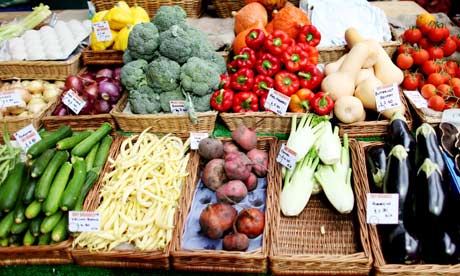
  • A display of vegetables on a stall
    Could a blog on vegetarian living make money? Photograph: Graeme Robertson
    If you read last week's Work cover feature, you'll know I'm building a blog with the aim of making money, under the guidance of Glen Allsopp of ViperChill. The first step, of course, is to decide what you'll blog about. There are zillions of possibilities and it's your passion for a topic that will keep you writing. Of Glen's own sites, the most successful have been on subjects he loves writing about. So Glen's simple approach in deciding a niche starts with the question: what do you love? Begin by thinking about your hobbies, the books you read, your personal experiences or expertise, and what websites you enjoy. I wrote down a list of blog ideas, one being "vegetarian travel". Glen liked my angles, but asked which topics I could talk about for a long time? Or could the whole topic be reduced to a single blog post like this. Glen also advised: "My tactic for picking a niche isn't just saying I want to write about 'X', but also looking at how to help people. Do you want to make them laugh? Do you want to teach? If you can just focus on how you want to help people, the process becomes easier and you're never stuck wondering if a post you're going to write fits your audience." I decided a veggie travel site might help others, but I'd have struggled to keep it updated, especially as I don't travel continuously. I revisited my niche ideas, and worked out which one I not only had enthusiasm for, but could write about for years, and I specifically wrote down how and why it would help people. My blog will inspire others on something I'm passionate about – which you'll see after the site has had a chance to establish itself. Your blog might, for example, teach gluten-free cooking. Then I got on to my next task: niche research. What was already out there? Who were the biggest "influencers" in my subject? (These are people I'll need to engage with in the future for my blog to grow.) And the important thing: could this make me money? While Glen says: "In reality, if you're getting traffic, you can make money," he points out that not all niches have the same income potential. Using sites such as Technorati, as well as typing related keywords into Google, I identified popular blog on similar topics I'd like to write about. I determined the biggest blogs by, for instance, seeing how many Twitter followers they had, and popular blogs posts by examining how many comments they received. I also looked at how the blogs were earning an income. Was it through advertising (such as banners)? Did they sell items (like eBooks)? Did they have affiliate links (eg, were they forwarding readers to sales websites where they would make a commission)? In my case, I haven't yet found anyone doing exactly what I want to do, but I've found enough related niches with very popular blogs apparently earning decent incomes. What I now need is my domain name – which we'll be looking at next time. For more detailed information on niche development and research, see Glen's separate BloggingCaseStudy.com resource website (but note, this site is not my startup blog, which will be revealed later).

Saturday, 27 August 2011

UK yoghurt mislabelled as gluten-free but not recalled


Deaths are a reminder of food allergy dangers


Sloane Miller, MFA, MSW, LMSW is an author, food allergy advocate and life coach. She works with people of all ages to manage their food allergies safely and effectively while still having fun. Her book, Allergic Girl: Adventures in Living Well With Food Allergies and her award-winning blog, Please Don't Pass the Nuts, offer advice in understanding and living well with food allergies.
The untimely, tragic and preventable deaths last week of two young men in Georgia highlight the seriousness of food allergies and the need for people with food allergies to have an Emergency Allergy Action Plan.
By local news accounts, Jharrell Dillard, 15 from Lawrenceville, Georgia and Tyler Davis, 20 studying at Kennesaw State University, knew what they were allergic to and were vigilant about what they ate. But this one time, without knowing it, they ate something containing their allergen and, caught without an auotinjector of epinephrine, perished.
I was born with severe food allergies to tree nuts and salmon. I’ve had anaphylactic reactions and ended up in the emergency room. Now, as a licensed social worker, I write and counsel clients about how communicate with medical professionals, create emergency allergy action plans, build support systems, dine out and travel, all safely and effectively. These recent deaths are every person with food allergies nightmare and every parent of a food allergic child’s worst fear realized.
Food allergy help for grown-ups
Food allergies are real and, as these recent deaths demonstrate, their effects can be serious and tragic. In June 2011, an article in the journal Pediatrics concluded that 8% of American children under the age of 18 have a life-threatening allergy. According to the American Academy of Asthma, Allergy and Immunology, between 150 and 200 Americans die each year from anaphylaxis, and from 2003 to 2006, food allergies resulted in approximately 317,000 visits to hospital emergency departments, outpatient clinics and physicians’ offices,
Ninety percent of all food allergic reactions are to the “top eight”: milk, eggs, peanuts, tree nuts, soy, wheat, fish and shellfish. Symptoms typically include hives, swelling, wheezing and vomiting or diarrhea; in some cases, anaphlyaxis occurs. If not treated immediately with epinephrine, a synthetic adrenaline injected into the body, anaphylaxis can be fatal.
For every child with food allergies heading off to school, for every young adult heading off to college and for adults like me with food allergies heading off on dates or to dine out, it is essential to take our food allergies seriously.
What does taking food allergies seriously mean? It means:
-Understanding what you are allergic to and relying on a medical team including a board certified allergist that understands food allergies
-Creating an emergency allergy action plan with an allergist that includes always carrying your emergency medication, including an autoinjector of epinephrine
-Creating a robust support network of friends family teachers colleagues who can assist in an emergency
Sadly, tragedies like the deaths of these two young men will happen. They are an awful reminder of just how vital an emergency allergy action plan can be.

Wednesday, 10 August 2011

photo montage of French magazine for my Gluten Free Delices brand !


Just love the photo montage that "French magazine" did when the office workers received my Gluten Free Cakes !
Plus I will have a little mention of my brand in their 10th edition published on the 25th of August ! keep a close eye on that date !

Great new company !! Jealous ! sweet range for all !


Sweet lovers in the UK now have more choice to enjoy as a new range of high-end boxed sweets, made purely from natural ingredients and suitable for people with dietary or ethical requirements, has launched.

The initial range of sweet-gifts from the Jealous collection has been available to buy from Selfridge’s flagship Oxford Street store from 27th July and online at www.thejealouslife.com. Beautifully arranged in striking presentation boxes, Jealous sweets make the perfect gift for a sweet lover and as an alternative to the traditional box of chocolates.

The halal sweets, which boast no artificial colours or flavours, are also suitable for vegetarians and contain no alcohol or gelatine. Presented in 400g gift boxes, the selection includes Sinfully Sour, Gummy Heaven and Paradise Lost all of which retail at £13.99. The Enchanted Eden selection, which is also produced using purely organic products, completes the initial range and is priced at £14.99.

Says Imran Ali Merza, managing director at Jealous:
“Sweets are immensely popular among almost everyone, but confectionary gifts are largely chocolate based, meaning there are no real gift options for sweet lovers. Sweets are bought in packets or at a pick and mix store, but not really given as gifts. We wanted to change this and bring candy gifts out as equals to chocolates – standing the humble gummy bear alongside the praline with pride.”

“We also wanted to ensure they could be enjoyed by all, hence our ranges are made free from artificial enhancements, are gluten and gelatine free and also suitable for vegetarians. They come stunningly boxed and in ‘natural’ or ‘organic’ ranges – providing a gorgeous gift for any occasion. We’ve had a great deal of interest in the range so far and anticipate strong sales at Selfridges, which is famed for its well-stocked confectionary department,” he added.

For those who like their sweets to have a bit of a kick, Sinfully Sour is a must and includes cola rock, tropical tang, sour sensations and just peachy. To really get those taste buds tantalising, Paradise Lost offers a mix of flavours such as fruitilicious, sour sensations, gummy bears and tropical tang.

Go to Gummy Heaven and enjoy sweet favourites from gummy bears, wild cherries, strawberry drops and fruitilicious, while the organic Enchanted Eden selection comprises sour worms, sugar bears, fruit cocktail and jelly bears.

For further information about Jealous’ sweet boxes visit www.thejealouslife.com or get involved by following @thejealouslife and facebook.com/JealousSweets.

After Novak Djokovic's gluten free diet behind his win streak , Receiver James Jones' three-year contract with Green Bay Packers worth $9.4 million, mainly thanks to his Gluten free diet again !!!

 Change in diet: James Starks thinks his diet was the culprit for his long recovery from a hamstring injury last year, when he missed the first 2½ months of the season because of an injury that happened during OTAs in May.
After seeing a nutritionist this offseason, Starks is now eating gluten-free, which means abstaining from products that have wheat.
“I’m not eating carbs; I’m eating gluten-free bread.
Sometimes it’s because you’re not feeding yourself the right foods. I was feasting off carbs thinking it was good, but my body didn’t react the right way. That played a big part in the healing process taking so long.”

Starks said as soon as he changed his diet, he added weight – good weight – and got stronger and leaner. When he reported for training camp last week, he said he weighed 225 pounds. He played at 217 pounds last season.

“I’m a lot stronger, I’ve got a lot more experience and I feel great,” Starks said. “I don’t have my hamstring bothering me anymore.”